Charlotte Lennox, “To Aurelia, on her attempting to write Verses”

[CHARLOTTE LENNOX]

“To Aurelia, on her attempting to write Verses.”

Long had Aurelia vainly stove
To write in melting strains of Love;
Ambitious of a Poet’s Name,
She wept, she sigh’d, she long’d for Fame;
While of the great Design possest                                            5
She thus the Delian God addrest:
Brightest of heavenly Powers above,
Immortal Son of thund’ring Jove;
Oh glorious Deity impart
To me the soft poetic Art;                                                          10
Vouchsafe to me thy sacred Fire,
And with thyself my Soul inspire.
She Spake — the God indulgent hears
The beauteous Maid, and grants her Prayers.
On Clio turns his radiant Eyes,                                                  15
And to the tuneful Goddess cries,
Fly hence to fair Aurelia’s Aid,
In heavenly Strains instruct the Maid:
The Muse obeys the God’s Commands
With Joy, and swift as Thought descends,                                20
And at Aurelia’s Side attends.
Conscious of her new Power, the Maid
With Thanks the glorious Gift repay’d:
Now Waller’s Sweetness, Granville’s fire,
At once her tuneful Breast inspire:                                            25
No more she vainly strives to please,
The ready Numbers flow with ease:
All soft, harmonious and divine;
Apollo shines in every Line.
The Delian God with Rapture fill’d                                              30
Upon his lovely Pupil smil’d.
Daphne, his once-lov’d charming Care,
Appear’d to him not half so fair:
For the lost Nymph he mourns no more;
Nor in his Songs her Loss deplore;                                            35
But from the slighted Tree he tears
It’s Leaves, to deck Aurelia’s Hairs.
A Poet now by all she’s own’d,
And with immortal Honour crown’d.

NOTES:

6 Delian God Apollo.

8 Jove Jupiter, also known as Jove, is the god of the sky and thunder and king of the gods in Ancient Roman religion and mythology. He is also remembered as Zeus, his name among the Greeks (New World Encyclopedia).

11 Vouchsafe “To give or grant something to someone in a gracious or condescending manner” (OED).

15 Clio The muse of history.

24 Waller’s Sweetness Edmund Waller (1606-1687), poet and politician, known in the period for his panegyric verse and “sweet” lyric poetry (Britannica); Granville’s fire  George Granville, Baron Lansdowne (1666-1735), poet, playwright, and politician, a poetic imitator of Waller, but also known for his fiery political speeches (Britannica).

29 Apollo In this context, the god of song and poetry.

30 Rapture “A state, condition or fit of intense delight or enthusiasm” (OED).

32 Daphne In Greek mythology, to escape Apollo’s pursuit, Daphne was turned into a bay laurel tree, whose leaves formed into a garland symbolize poetic excellence (Brittanica).

Source: Poems on Several Occasions (London, 1747), pp. 28-30. [Google Books]

Edited by Astrid Regalado Sibrian

Elizabeth Tollet, “The Portrait”

ELIZABETH TOLLET

 “The Portrait”

 Votiva pateat veluti descripta tabella
Vita —- —– —- —– Hor.

On what wou’d I my Wishes fix?
‘Tis not upon a Coach and Six:
‘Tis not your rich Brocades to wear;
‘Tis not on Brilliants in my Ear.
‘Tis not to hurry up and down                                              5
To Tunbridge, Epson, Kensington;
Much less to rub my wakeful Eyes
At Basset, till the Sun shou’d rise:
Had I a Foe I meant to curse,
Nay, Rival, I’d not wish her worse,                                       10
For once, to tell you what’s the Lot
I like, I’ve told you what ‘tis not;
A lazy Life I first wou’d choose,
A lazy Life best suits the Muse:
A few choice Books of ev’ry Sort;                                         15
But none that meddle with the Court.
Small Thoughts for Cloaths; ‘tis all a Case:
They’ll neither mend nor spoil my Face.
Money! Enough to serve my Ends:
An Hackney to go see my Friends;                                       20
That I may laugh if Fops pass by,
And they not know my Livery,
Friends that in any Dress would come;
To whom I’d always be at home:
My Table still shou’d cover’d be,                                           25
On this Side Books, on that Bohea;
While we sip on, and ne’er debate
Matters of Scandal, or of State.
For Horace tells us, as you know,
‘Tis Sweet to fool it a propos.                                                  30

Dulce est desipere in loco.      Hor.

NOTES:

Epigraph Votiva pateat veluti descripta tabella “Life may be laid out as if it were depicted on a votive tablet” (Horace, Satires, 2:1, ll. 3-4); Horace’s Satires were “published in 35 BCE” (Oxford Bibliographies).

6 Tunbridge Affluent town in Kent, England; Epsom Market town in Surrey; Kensington Royal palace in London.

8 Basset “An obsolete game of cards, resembling Faro, first played in Venice” (OED).

20 Hackney “A horse-drawn carriage which is let out for hire” (OED).

21 Fops “One who is foolishly attentive to and vain of his appearance, dress, or manners” (OED).

22 Livery “The dress, uniform, or insignia…by which a family, etc., may be identified” (OED).

26 Bohea “Name given in the early eighteenth century to finest kind of black tea” (OED).

29 Horace (65-8 BC), Latin lyric poet and satirist under the emperor Augustus.

30 a propos “To the purpose” (OED).

Postscript Dulce est desipere in loco “It is sweet to be silly at the appropriate time” (Horace, Odes, 4:12, l. 27).

Source: Poems on Several Occasions. With Ann Boleyn to King Henry VIII. An Epistle (London, 1755), pp. 33-34. [Google Books]

Edited by Donna Hang

Elizabeth Tollet, “To a Gentleman in Love”

ELIZABETH TOLLET

“To a Gentleman in Love.”

Say, in what gentle Sounds, what healing Strain,
The friendly Muse shall sooth the wounded Swain?
Thy self, the Muses Servant, best may know
To mourn in moving Verse the latent Woe:                                            5
Such Verse where Fear and humble Passion speak,
Where crowding Thoughts in soft Confusion break,
With falt’ring Eloquence the Fair might move,
Tho’ cold as Northern Snows to mutual Love.
Tho’ that perhaps thou hast in vain essay’d:                                          10
The Muse, at best, is but a faithless Aid;
So Princes by Auxiliars are betray’d.
Lonely tho wander’st where the founding Stones
Of Balliol’s Walls return thy hollow Groans;
Or where Severus’ Work describes the Bound                                       15
Of Roman Conquests on the British Ground.
The ruin’d Pile stood threatening o’er the Waste;
Prodigious Monument of Greatness past!
Hither perhaps the pensive Lover goes,
To shun his chearful Friends, and Speak his Woes.                              20
How art thou chang’d? Thou! who wert always known,
With modest Wit our temp’rate Mirth to crown.
What? Cannot Politicks and deep Debate
What menaces the Church, or shakes the State,
How great Eugenius clouds the waning Moon,                                       25
What Spain intends, or they who drink the Rhone,
From thy unquiet Breast these Cares remove?
This ‘tis, unhappy Youth! to be in Love.

Or when thy jocund Friends the Board surround,
With rural Stores and native Liquors crown’d,                                      30
Such as the British Swains, industrious, drain,
From blushing Apples, or the bearded Grain;
The love-sick Youth discovers his Suprize,
By faded Cheeks and unregarding Eyes:
By rising Sighs which heave his struggling Breast,                               35
And wand’ring Speech with sudden Pause supprest.
All Smile; and some with friendly Anger chide,
Some pity thy Distress, but most deride:
While you sit by, with careless Head reclin’d;
The only Fair employs your absent Mind.                                               40
We by your Doctrines may perhaps improve
For we, alas! are Hereticks in Love:
We may wish Vows of Constancy make bold;
But you de Jure love—–to have and hold.

Amantem languor & silentium                

Arguit, & latere

Petitus imo spiritus.

Hor. Epod.

NOTES:

2 Swain “A country gallant or lover” (OED).

12 Auxiliars Subordinates.

14 Balliol A college of Oxford University, founded before 1268.

15 Severus’ Work The Wall of Severus, also known as “Hadrian’s Wall;” built to defend the northwestern frontier of the Roman empire. Emperor Septimius Severus (reigned 193–211 AD) is said to have fortified Hadrian’s original turf wall with stone around 208 AD (Encyclopedia Britannica).

25 Eugenius Probably a reference to Prince Eugene of Savoy (1663-1736), Austrian general and statesman who figured prominently as an ally of England in the War of the Spanish Succession (1701-14) and the War of the Polish Succession (1733-35).

26 they who drink the Rhone The French, who were known for a “wine made from grapes grown in the Rhône valley, esp. in the region between Lyons and Avignon France” (OED).

42 Hereticks Those “who maintains theological or religious opinions at variance with the ‘catholic’ or orthodox doctrine of the Christian Church” (OED).

43 Constancy “Steadfastness of attachment to a person or cause; faithfulness, fidelity” (OED).

44 De Jure Archaic spelling of the French phrase “du jour,” which means “of the day” (OED).

Postscript “Where my listlessness, my silences, and the sighs/ That were drawn from the depths of my heart, proved my love-sick state” (from Epode 11, ll. 9-10, by Quintus Horatius Flaccus [65-8 BC], published in 30 BC).

 Source: Poems on Several Occasions. With Anne Boleyn to King Henry VIII: An Epistle (London, 1755), pp. 28-30. [Google Books]

Edited by Taylor Albert

Jonathan Swift, “The Furniture of a Woman’s Mind”

JONATHAN SWIFT

 “The Furniture of a Woman’s Mind.”

 Written in the Year 1727


A Set of Phrases learn’d by Rote;
A Passion for a Scarlet-Coat;
When at a Play to laugh, or cry,
Yet cannot tell the Reason why:
Never to hold her Tongue a Minute;                                    5
While all she prates has nothing in it.
Whole Hours can with a Coxcomb sit,
And take his Nonsense all for Wit;
Her Learning mounts to read a Song;
But, half the Words pronouncing wrong;                             10
Has ev’ry Rapartee in Store,
She spoke ten Thousand Times before,
Can ready Compliments supply
On all Occasions, cut and dry.
Such Hatred to a Parson’s Gown,                                           15
The Sight will put her in a Swoon.
For Conversation well endu’d;
She calls it witty to be rude;
And, placing Raillery in Railing;
Will tell aloud your greatest Failing;                                        20
Nor makes a Scruple to expose
Your bandy Leg, or crooked Nose.
Can at her Morning Tea, run o’er
The Scandal of the Day before,
Improving hourly in her Skill,                                                    25
To cheat and wrangle at Quadrille.

In chusing Lace a Critick nice,
Knows to a Groat the lowest Price;
Can in her Female Clubs dispute
What Lining best the Silk will suit;                                            30
What Colours each Complexion match,
And where with Art to place a Patch.

If chance a Mouse creeps in her Sight,
Can finely counterfeit a Fright;
So, sweetly screams if it comes near her,                               35
She ravishes all Hearts to hear her.
Can dext’rously her Husband teize,
By taking Fits whene’er she please:
By frequent Practice learns the Trick
At proper Seasons to be sick;                                                    40
Thinks nothing gives one Airs so pretty;
At once creating Love and Pity.
If Molly happens to be careless,
And but neglects to warm her Hair-Lace,
She gets a Cold as sure as Death;                                             45
And vows she scarce can fetch her Breath:
Admires how modest Women can
Be so robustious like a Man.

In Party, furious to her Power:
A bitter Whig, or Tory sow’r.                                                       50
Her arguments directly tend
Against the Side she would defend:
Will prove herself a Tory plain,
From Principles the Whigs maintain;
And, to defend the Whiggish Cause,                                          55
Her Topicks from the Tories draws.

O yes! If any Man can find
More Virtues in a Woman’s Mind,
Let them be sent to Mrs. Harding,
She’ll pay the Charges to a Farthing:                                         60
Take Notice, she has my Commission
To add them to the next Edition:
They may out-sell a better Thing;
So, Halloo Boys! God save the King.

NOTES:

 2 Scarlet-Coat  A reference to a soldier in the British army; from the seventeenth century onwards known as “redcoats” (OED).

 6 prates To “speak foolishly” or with “little purpose” (OED).

 7 Coxcomb  A “fool” or “simpleton” (OED).

 11 Rapartee  “A witty or sharp reply” (OED).

15 Parson’s Clergyman of the Anglican Church of England (OED).

 19 Raillery  “Abusive, unpleasant or unkind criticism” (OED).

 26 Quadrille  “A trick-taking card game for four players using forty cards” (OED).

 28 Groat  An English coin worth four pence that “ceased to be issued for circulation in 1662” (OED).

32 Patch  “A small piece of black material, typically silk or velvet, cut into a decorative shape and worn on the face, either for adornment or to conceal a blemish, esp. in the 17th and 18th centuries” (OED).

 37 teize Tease; to “worry”, “vex” or “annoy” (OED).

 43 Molly  “A girl, a woman, esp. a lower-class one” (OED).

 44 Hair-Lace  “A string or tie for binding the hair; a fillet, headband” (OED).

 50 Whig  “One faction of two opposing political parties in England, particularly during the 18th century. ‘Whigs’ was applied to those who claimed the power of excluding the heir from the throne” (Encyclopaedia Britannica); Tory  “One faction of two opposing political parties in England. ‘Tory’ applied to those who supported the hereditary right of James, duke of York, despite his Roman Catholic faith” (Encyclopaedia Britannica); sow’r  Variant of sour: “having a harsh, morose, or peevish disposition” (OED).

59 Mrs. Harding  Sarah Harding, widow of Dublin printer John Harding who was prosecuted for publishing Swift’s Drapier’s Letters in 1724.  At her husband’s death in 1725, Sarah took over the business and, despite being taken into custody briefly in 1725 herself, she continued to publish politically controversial work by Swift (James Woolley, “Sarah Harding as Swift’s Printer,” in Walking Naboth’s Vineyard: New Studies of Swift, pp. 164-77).

 60 Farthing “The quarter of a penny; the coin representing this value” (OED).

SOURCE: The Works of Jonathan Swift, vol. 2 (Dublin, 1751), pp. 248-50. [HathiTrust]

 Edited by Alejandra Pereda

George Woodward, “Upon an Ugly Fellow…”

GEORGE WOODWARD

 “Upon an Ugly Fellow, who Thought Himself Handsome, because the Girls Gaz’d upon Him So Much”


Poor Jack’s of late grown
The Talk of the Town,
The merest Self-Dotard in Fashion;
From a Sloven turns Smart,
And thinks from his Heart,                                                              5
He’s the Handsomest Man in the Nation.

If a Girl does but place
Her Eyes on his Face,
In order her Laughter to move;
The Fool seems in Anguish,                                                             10
Looks aside with Languish,
And concludes the poor Girl is in Love.

Come, Jack! then attend,
I speak as a Friend,
Prithee! never look out with that View:                                   15
Don’t think to prevail,
Where a Thousand may fail,
Perhaps, ten Times as Pretty as You.

Should You think e’ery Miss
In Love with that Phyz,                                                                        20
Who looks at You, as I may do now;
E’en think you’re a Bait,
And enjoy your Conceit,
By my Soul! you’ll have Lovers enough.

NOTES:

 3 Dotard “An imbecile; a silly or stupid person” (OED).

4 Sloven “An untidy or dirty person; a person who is habitually indolent, negligent, or careless with regard to appearance, personal hygiene, household cleanliness, etc.” (OED); Smart “A person who affects smartness in dress, manners, or speech” (OED).

11 languish “A tender or amorous look or glance” (OED).

13 attend “To turn one’s ear to, listen to” (OED).

15 Prithee “ ‘I pray thee’, ‘I beg of you’; please” (OED).

20 Phyz “A face or facial expression; countenance” (OED).

Source: Poems on Several Occasions (Oxford, 1730), pp. 150-51. [Google Books]

 Edited by Estrellita Rui

William Dingley, “Upon a Bee Entomb’d in Amber”

[WILLIAM DINGLEY]

“Upon a BEE Entomb’d in Amber.”


Behold this happy Insect’s Tomb,
Not sweet, but precious Honey-comb:
You’d think the Bee had brought it forth,
Alike in Colour, and in Worth.
Which to the view does represent,                                                     5
A Murderer, and Monument.
I thought ‘twas Niobe alone,
Whom Moisture harden’d into Stone:
But now the weeping Gem I see,
Transforms at once it self and Bee:                                                    10
Since to Beholders each does seem,
The Gem a Bee, the Bee a Gem.
The Pyramids in Egypt’s Land,
Astonishment from all command:
Yet, happy insect, happy thou,                                                             15
A lesser, but a better Show;
The Pyramids would envy me,
Should I be thus Entomb’d like thee.
Thou with Medusa may’st compare,
Whose Viperous enchanted Hair,                                                         20
Turn’d all Spectators into Stone,
Conquest and Trophy both in one;
But thou excellest her in this,
Thy self at once Medusa is,
Thy self the Metamorphosis.                                                                  25
Nature has chang’d her usual course,
But for the Better not the Worse;
While Jewels sprout from Poplar-Trees,
These bring forth Jewels, Jewels Bees.
Thus whilst the Bee through Amber shone,                                         30
With borrow’d Lustre, not her own,
The Sight so dazling did appear,
You’d think both Bees, both Jewels were.
The Golden Beast, like Bacchus Crown,
Translated to th’Ethereal Throne,                                                           35
Does, as it were, refin’d appear,
Transform’d from Gold into a Star:
Congeal’d it lies in sparkling Gem,
You’d swear ‘twas froze to Death in Flame.
Entangled there it self does shew,                                                         40
A Labyrinth, and Monster too.
What Freeman would not pay that Fee
Which Prisoners give for Liberty,
To share in this Captivity.
The little Debtor (she, you know,                                                   45
To Amber does this Yellow owe)
Thither as to her Prison came,
Her Debt and Prison both the same.
A worthy, honourable Cheat!
Whose very Fetters made her Great:                                                    50
For while she mute in Thraldome lies,
Her buzzing Fame much swifter flies.
Tho’ she confin’d, to us may seem,
Within the Limits of a Gem,
She’s in effect, by being thus,                                                                  55
Extended through the Universe:
And by her forc’d, yet willing stay,
Debar’d from Flying, flies away.
Whose Hive, not long since, Thatcht we saw,
Like Rome’s old Capitol, with Straw;                                                        60
She now in nobler Structure dwells,
Which Rome’s new Capitol excells.
Thou worthy Nurse of mighty Jove,
Supreme o’re all the Gods above;
Tell me, thou Insect, tell me why,                                                            65
When Harlots mounted to the Sky,
He did not thus thy Pains repay,
Deserving Heaven more than they?
But lo! I see thy proud Disdain
Has rendred Deifying vain.                                                                       70
So rich, so glorious they Attire,
A radiant, not a burning Fire;
That all those Lamps which grace the Sky,
Are seen Unenvy’d by thy Eye.
‘Twere Injury to fix thee there,                                                                 75
A brighter Constellation here.
Such is the dazling Garb she wears,
Such Honour from the Garb she bears,
That tho’ her Jove be cloath’d with Rays
Immortal, and immortal Praise;                                                               80
‘Tis doubtful which does most confer,
The Bee on Jove, or Jove on her:
While she her self does represent,
As if to give the God, she meant,
Honour, instead of Nutriment.                                                                 85
Proud Animal! ‘tis mere Self-love,
Which makes thee like Narcissus prove;
Who view’d, himself in Chrystal Streams,
And, as he view’d, thence gather’d Flames:
In liquid Gum you clearer shine,                                                               90
Others to Envy you incline,
Whilst you your self for Love repine.
True Looking-glass, wherein we view,
Not only Form, but Matter too.
The Eyes, which view this glorious Bee,                                                   95
Are held almost as fast as she:
For while they gaze, in one, they view
Artificer, and Image too.
‘Twas heedlessness this Artist taught,
Exact the Figure, yet not wrought;                                                             100
Whom like Sejanus here we see,
Too truly slain in Effigy.
Fair Phaethusa (Stories shew)
A Poplar-tree by Weeping grew;
Weeping (Oh! had it sooner came)                                                             105
Enough to quench her Brother’s Flame.
Hence first distill’d the precious Juice,
And Trees the Amber did produce;
From whence a three-fold Change we see,
From humane Shape sproughts up a Tree,                                               110
Thence came forth Gum, and thence a Bee.
A Bee, which thus you may divide,
Object of Pity, and of Pride:
It Sister does, and Brother seem,
It Weeps like her, it Shines like him;                                                           115
In both their Fates does Sympathize,
At once bewails the Dead, and Dies.
Virgin, too like the Crocodile!
Whose treach’rous Tears to Snares beguile,
Thy Weeping’s, by Experience known,                                                        120
More Envious now than Pitteous grown.
Thy Tears, which first made thee a Tree,
And now again transform the Bee,
Harden themselves, and that, like Thee.
See how from Good, ariseth Ill!                                                                    125
While they bewail the Slain, they Kill.
But why, against th’ industrious Bee,
Do Trees exert such Cruelty?
She little thinking e’re to yield,
Securely Plunder’d all the Field;                                                                    130
For which she now in Chains must stay,
Chains richer than her former Prey.
Flowers, too weak to captive Bees,
Assistance crave from neighbour Trees;
Till they that were opprest before,                                                              135
Retort the Dammage once they bore:
But Oh! tis thus, they add the more,
And, to deprive, increase the Store.
The cruel Nero, who (says Fame)
Rome doubly Dy’d in Blood and Flame,                                                       140
Erected no such noble Throne;
No, tho’ he built a Golden One,
As that wherein this Tyrant shone.
Most radiant, most illustrious Bee,
I’ll to the Phoenix liken thee,                                                                        145
In Death as rare, as bright as She;
Tho’ She to Phoebus owe his Night,
Extinguish’d by the Beams of Light;
Tho’ thou a distant Fate dost bear,
Drown’d in the Deluge of a Tear.                                                                150
Thy waxen Wings the Fate has fought,
Which those of Icarus once brought;
The cause whereby (as Stories tell)
So High he soar’d, so Deep he fell.
Yet thee much Happier I esteem,                                                              155
Not over-whelm’d, tho’ drown’d like him:
Thou more conspicuous dost appear
Than others above Water are,
Thy very Cov’ring makes thee clear.
Thou need’st not signalize thy Grave,                                                       160
With any specious Epitaph,
Thy Corps is so transparent seen
In Golden Characters within.
Thus Death, which never grants Reprieve,
Is here made Life’s Preservative.                                                               165
The dark Recesses of the Tomb,
Become a pleasant, lightsome Room.
Th’unnatural, but honest Grave,
From a Devourer, chang’d to save;
In Justice does its Debt repay,                                                                    170
And give the Life it takes away.
Thy Dipping Thetis has out-done,
Who strove to Eternize her Son;
Bathing him in the Stygian Lake,
That he might ne’re of Styx partake.                                                         175
Thou that effectually dost gain,
For which she Dipt, but dipt in vain.
The Bee with Hercules compare,
Her lustre may with Aeta’s share;
But not consume, not wasted be,                                                             180
And so gain Immortality.
Eternal Insect! who would grieve
To Dye like thee, like thee to Live?
Jove is a Mortal thought by some,
‘Cause ancient Creet can shew his Tomb;                                                185
Oh! were he Bury’d there like thee,
His Tomb would prove him Deity.

NOTES:

Title Amber “A yellowish translucent fossil resin. It is used for ornaments; burns with an agreeable odor; often entombs the bodies of insects” (OED).

7 Niobe In Greek mythology, her children were killed by Apollo and Artemis. She was so overwhelmed with grief that the gods turned her weeping form into a rock on Mount Sipylus (Encyclopædia Britannica).

11 Beholder “One who beholds, a watcher, looker on, spectator” (OED).

13 Pyramids in Egypt’s Land “Focal points of enormous funerary complexes constructed for the burials of Egyptian kings. In the classical tradition, pyramids have been constructed primarily as tombs, often in conscious emulation of Egyptian Precedent” (The Classical Tradition).

19 Medusa In Greek mythology, was changed by Athena to have snakes for hair and turn anyone who looked at her into stone (The Columbia Encyclopedia).

25 Metamorphosis “The action of process of changing in form, shape, or substance; transformation by supernatural means” (OED).

28 Jewels sprout from Poplar-Trees When Phaethon died, his sisters, the Heliades, wept and were turned into poplar trees and their tears into amber (Dictionary of Classical Mythology).

34 The Golden Beast The bee, but also an allusion to Midas, who was granted a wish from Bacchus to have everything he touches turn to gold (The Classical Tradition); Bacchus Also known as Dionysus in Greek mythology. The god of wine, mystic ecstasy, and the theater (The Classical Tradition).

35 Ethereal “Of or relating to heave, God, or the gods; heavenly, celestial” (OED).

41 Labyrinth, and Monster In Greek mythology, the monster is that of the Minotaur, composed of a man’s body and bull’s head, birthed from Pasiphae. The Labyrinth is the Cretan Labyrinth created by Daedalus to store the Minotaur in (Dictionary of Classical Mythology).

45 little Debtor The bee.

47 Thither “To or towards that place” (OED).

50 Fetters “A chain or shackle for the feet; a bond, shackle” (OED).

51 Thraldome “The state or condition of being a thrall; bondage, servitude; captivity” (OED).

59 Thatcht “Covered or roofed with thatch;” that is “straw, reeds, palm-leaves, etc., laid so as to protect from the weather” (OED).

62 new Capitol Possible reference to the reconstruction of the Capital building done by Michelangelo in the 16th century (The Columbia Encyclopedia).

63 Nurse In Greek mythology, Amaltheia was a she-goat who nursed an infant Zeus (Dictionary of Classical Mythology); Jove Another name for the supreme god of Roman mythology, Jupiter; also known as Zeus in Greek mythology. Determined course of human affairs and made known the future through signs in the heavens, flight of birds, and other means; lord of heaven and bringer of light (Brewer’s Dictionary of Phrase and Fable).

66 Harlots Likely a reference to Harpies; in Greek myth made of feathers, bronze, and flesh and had women’s faces, vulture’s bodies, and bronze talons (Bloomsbury Dictionary of Myth).

87 Narcissus In Greek mythology, famously beautiful boy who fell in love with his own reflection in the water and thus died of his infatuation (The Classical Tradition).

92 repine “To feel or express discontent or dissatisfaction; to grumble, complain” (OED).

101 Sejanus Lucius Aelius Sejanus (20 BC-AD31), Roman soldier and statesman; according to Juvenal, after Sejanus’s fall from power and execution his statuary was destroyed (Satire 10).  Possibly also a reference to Senjanus His Fall (1603), a satirical tragedy by Ben Jonson. In the play, Sejanus is driven by extreme ambition and attempts to occupy the Roman throne, exploiting the emperor Tiberius, but is eventually torn to pieces by the Roman mob (The Bloomsbury Dictionary of English Literature).

102 slain in Effigy “A likeness, portrait, or image; to inflict upon an image the semblance of the punishment which the original is considered to have deserved” (OED).

103 Phaethusa In Greek mythology, one of Helio’s daughters born from his mistress Neaera (Dictionary of Classical Mythology). See note 28.

118 Crocodile The phrase “crocodile tears” is meant as false or hypocritical tears (A Dictionary of Literary Symbols). “Was said to weep, either to allure a man for the purpose of devouring him, or while devouring him” (OED).

139 Nero (37AD-86AD), Roman emperor who turned to debauchery, extravagance, and tyranny. During his reign, two-thirds of Rome was destroyed by fire (Chambers Biographical Dictionary).

142 Golden One Palace, also known as Domus Aurea, built by Nero after the fire. The palace was notoriously grand and novel (The Classical Tradition).

145 Phoenix “In classical mythology: a bird resembling an eagle but with sumptuous red and gold plumage, which was said to live for five or six hundred years before burning itself to ashes on a funeral pyre ignited by the sun and fanned by its own wings, only to rise from its ashes with renewed youth to live through another such cycle” (OED).

147 Phoebus “Apollo as the god of light or of the sun; the sun personified” (OED).

152 Icarus In Greek myth, was the son of Daedalus who invented wings made out of wax and feathers. Icarus flew with these wings towards the sun and the heat loosened the wax and caused him to fall and drown in the ocean (Bloomsbury Dictionary of Myth).

161 specious “Fair or pleasing to the eye or sight; beautiful, handsome, lovely” (OED); Epitaph “An inscription upon a tomb; a brief composition characterizing a deceased person” (OED).

162 Corps Corpse.

172 Thetis Daughter of Nereus in Greek myth, was a beautiful sea-nymph who the Fates said would bear a son greater than his father (Bloomsbury Dictionary of Myth).

173 her Son The Greek hero, Achilles born from the sea-nymph Thetis and was half human from his father Peleus. Thetis tried to make him immortal by dipping him into the River Styx (Dictionary of Classical Mythology).

174 Stygian Lake “Pertaining to the river Styx” (OED).

175 Styx “A river of the lower world or Hades, over which the shades of the departed were ferried by Charon, and by which the gods swore their most solemn oaths” (OED).

180 Hercules “A celebrated hero of Greek and Roman mythology, who after death was ranked among the gods and received divine honors. He is represented as possessed of prodigious strength” (OED).

181 Aeta Archaic spelling of “Oeta” referring to Mt. Oeta in central Greece, the location of the funeral pyre for Heracles in Greek myth (also known as Hercules) (Dictionary of Classical Mythology).

185 Creet The Greek island, Crete.

Source: Poems on Several Occasions. Originals, and Translations ([London?], 1694), pp. 9-17. [Google Books]

Edited by Kasside Sahagun-Escalante
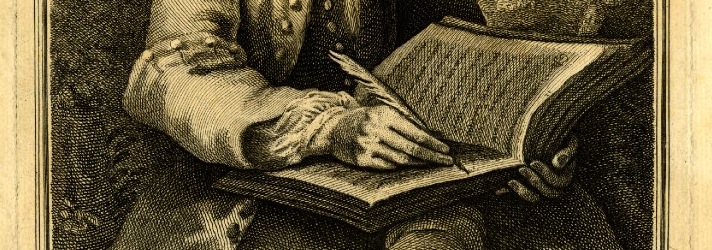
Hannah More, “The Plum-Cakes; or The Farmer and His Three Sons”

HANNAH MORE

 “The Plum-Cakes; or The Farmer and His Three Sons”


A farmer who some wealth possessed,
With three fine boys was also blessed;
The lads were healthy, stout, and young,
And neither wanted sense nor tongue.
Tom, Will, and Jack, like other boys,                                                       5
Lov’d tops and marbles, sport and toys.
The father scouted that false plan,
That money only makes the man;
But, to the best of his discerning,
Was bent on giving them good learning.                                               10
He was a man of observation,
No scholar, yet had penetration;
So with due care a school he sought,
Where his young sons might well be taught.
Quoth he, “I know not which rehearses                                                 15
Most properly his themes or verses,
Yet I can do a father’s part,
And school the temper, mind, and heart;
The natural bent of each I’ll know,
And trifles best that bent may show.”                                                     20

‘Twas just before the closing year,
When Christmas holidays were near,
The farmer call’d to see his boys,
And ask how each his time employs.
Quoth Will, “There’s father, boys, without;                                             25
He’s brought us something good, no doubt.”
The father sees their merry faces,
With joy beholds them and embraces:
“Come, boys, of home you’ll have your fill.”
“Yes, Christmas now is near,” says Will;                                                  30
“‘Tis just twelve days – these notches see,
My notches with the days agree.”
“Well,” said the sire, “again I’ll come,
And gladly fetch my brave boys home;
You two the dappled mare shall ride,                                                    35
Jack mount the pony by my side.
Meantime, my lads, I’ve brought you here,
No provision of good cheer.”
Then from his pocket straight he takes
A vast profusion of plum-cakes;                                                              40
He counts them out a plenteous store,
No boy shall have or less or more:
Twelve cakes he gives to each dear son,
When each expected only one;
And then, with many a kind expression,                                               45
He leaves them to their own discretion:
Resolv’d to mark the use each made
Of what he to their hands convey’d.

The twelve days past, he comes once more,
And brings the horses to the door;                                                        50
The boys with rapture see appear
The pony and the dappled mare;
Each moment now an hour they count,
And crack their whips, and long to mount.
As with the boys his ride he takes,                                                          55
He asks the history of the cakes.
Says Will, “Dear father, life is short,
So I resolv’d to make quick sport;
The cakes were all so nice and sweet,
I thought I’d have one jolly treat.                                                            60
‘Why should I balk,’ said I, ‘my taste?
I’ll make at once a hearty feast.’
So, snugly by myself I fed,
When every boy was gone to bed;
I gorg’d them all, both paste and plum,                                                65
And did not waste a single crumb:
Indeed they made me, to my sorrow,
As sick as death upon the morrow;
This made me mourn my rich repast,
And wish I had not fed so fast.”                                                              70
Quoth Jack, “I was not such a dunce,
To eat my quantum up at once;
And though the boys all long’d to clutch ‘em,
I would not let a creature touch ‘em;
Nor, though the whole were in my power,                                           75
Would I myself one cake devour.
Thanks to the use of keys and locks,
They’re all now snug within my box;
The mischief is, by hoarding long,
They’re grown so mouldy and so strong,                                             80
I find they won’t be fit to eat,
And I have lost my father’s treat.”

“Well, Tom,” the anxious parent cries
“How did you manage?” Tom replies,
“I shunned each wide extreme to take,                                               85
To glut my maw, or hoard my cake;
I thought each day its wants would have,
And appetite again might crave.
Twelve school-days still my notches counted,
To twelve my father’s cakes amounted;                                              90
So every day I took out one,
But never ate my cake alone;
With every needy boy I shared,
And more than half I always spared.
One every day, ‘twixt self and friend,                                                   95
Has brought my dozen to an end.
My last remaining cake to-day
I would not touch, but gave away;
A boy was sick, and scarce could eat,
To him it proved a welcome treat.                                                       100
Jack called me spendthrift, not to save;
Will dubbed me fool, because I gave;
But when our last day came I smiled,
For Will’s were gone, and Jack’s were spoiled.
Not hoarding much, nor eating fast,                                                   105
I served a needy friend at last.”
These tales the father’s thoughts employ:
“By these,” said he, “I know each boy.
Yet Jack, who hoarded what he had,
The world will call a frugal lad;                                                              110
And selfish, gormandizing Will,
Will meet with friends and favorers still;
While moderate Tom, so wise and cool,
The mad and vain will deem a fool;
But I his sober plan approve,                                                                 115
And Tom has gained his father’s love.”

APPLICATION.

So when our day of life is past,
And all are fairly judged at last,
The miser and the sensual find
How each misused the gifts assigned;                                                120
While he who wisely spends and gives,
To the true ends of living lives.
‘Tis self-denying moderation
Gains the great Father’s approbation.

NOTES:

Title First published anonymously, under the same title, in 1796; “signed at the end: Z., i.e. Hannah More” (ESTC, T42504).

31 notches A groove or incision made into a wooden stick to track the passing of days.

40 plum-cake “A cake containing raisins, currants, and often orange peel and other candied fruits” (OED).

61 balk “To waste or throw away a good chance” (OED).

69 repast “Food, nourishment; supply of food” (OED).

71 dunce “One who shows no capacity for learning” (OED).

72 quantum “The actual amount or quantity of something present, available, etc.” (OED).

86 glut “To overload or surfeit with food” (OED); maw “The mouth of a greedy person” (OED).

95 ‘twixt “Betwixt; archaic form of ‘between’” (OED).

101 spendthrift “One who spends profusely” (OED).

111 gormandizing “To eat like a glutton; to feed voraciously” (OED).

Source: Cheap Repository Tracts: Entertaining, Moral, and Religious, vol. I (New York, 1840?) pp. 99-103.

Edited by Jessica M. Fuentes

Elizabeth Carter, “Ode to Melancholy”

ELIZABETH CARTER

“Ode to Melancholy”

Alas Darkness my sole light, gloom
O fairer to me than any sunshine
Take me take me to dwell with you
Take me ―                          Sophocles.


Come Melancholy! silent Pow’r,
Companion of my lonely Hour,
To sober Thought confin’d:
Thou sweetly-sad ideal Guest,
In all thy soothing Charms confest,                                                                                 5
Indulge my pensive Mind.

No longer wildly hurried thro’
The Tides of Mirth, that ebb and flow,
In Folly’s noisy Stream:
I from the busy Croud retire,                                                                                            10
To court the Objects that inspire
Thy philosophic Dream.

Thro’ yon dark Grove of mournful Yews
With solitary Steps I muse,
By thy Direction led:                                                                                                   15
Here, cold to Pleasure’s tempting Forms,
Consociate with my Sister-worms,
And mingle with the Dead.

Ye Midnight Horrors! Awful Gloom!
Ye silent Regions of the Tomb,                                                                                          20
My future peaceful Bed:
Here shall my weary Eyes be clos’d,
And ev’ry Sorrow lie repos’d
In Death’s refreshing Shade.

Ye pale Inhabitants of Night,                                                                                              25
Before my intellectual Sight
In solemn Pomp ascend:
O tell how trifling now appears
The Train of idle Hopes and Fears
That varying Life attend.                                                                                              30

Ye faithless Idols of our Sense,
Here own how vain your fond Pretence,
Ye empty Names of Joy!
Your transient Forms like Shadows pass,
Frail Offspring of the magic Glass,                                                                                      35
Before the mental Eye.

The dazzling Colours, falsely bright,
Attract the gazing vulgar Sight
With superficial State:
Thro’ Reason’s clearer Optics view’d,                                                                                  40
How stript of all its Pomp, how rude
Appears the painted Cheat.

Can wild Ambition’s Tyrant Pow’r,
Or ill-got Wealth’s superfluous Store,
The Dread of Death controul?                                                                                      45
Can Pleasure’s more bewitching Charms
Avert, or sooth the dire Alarms
That shake the parting Soul?

Religion! Ere the Hand of Fate
Shall make Reflexion plead too late,                                                                                    50
My erring Senses teach,
Admist the flatt’ring Hopes of Youth,
To meditate the solemn Truth,
These awful Relics preach.

Thy penetrating Beams disperse                                                                                          55
The Mist of Error, whence our Fears
Derive their fatal Spring:
‘Tis thine the trembling Heart to warm,
And soften to an Angel Form
The pale terrific King.                                                                                                        60

When sunk by Guilt in sad Despair,
Repentance breathes her humble Pray’r,
And owns thy Threat’nings just:
Thy Voice the shudd’ring Suppliant chears,
With Mercy calms her tort’ring Fears,                                                                                    65
And lifts her from the Dust.

Sublim’d by thee, the Soul aspires
Beyond the Range of low Desires,
In nobler Views elate:
Unmov’d her destin’d Change surveys,                                                                                  70
And, arm’d by Faith, intrepid pays
The universal Debt.

In Death’s soft Slumber lull’d to Rest,
She sleeps, by smiling Visions blest,
That gently whisper Peace:                                                                                                75
‘Till the last Morn’s fair op’ning Ray
Unfolds the bright eternal Day
Of active Life and Bliss.

NOTES:

Epigraph These lines are from Sophocles’s play Ajax, ll. 394-97; translation mine.

3 sober “Serious; solemn; grave” (Johnson).

5 Charms “Enchantments” (OED).

8 Mirth “A diversion or entertainment” (OED).

9 Folly’s “Act of negligence or passion” (Johnson).

14 Yews “The tree of the dead. (…) The yew tree was sacred to Hecate, the Greek goddess associated with witchcraft, death, and necromancy; it was said to purify the dead as they entered Hades” (The Paris Review).

21 Bed “The grave” (OED).

27 Pomp “procession or sequence of things” (OED).

35 Glass Looking-glass.

41 Pomp “Splendor” (Johnson).

67 Sublim’d “To raise to an elevated sphere or exalted state” (OED).

72 universal Debt Original sin.

SOURCE: Poems on Several Occasions (London, 1776), pp. 79-83. [Google Books]

 Edited by Katarina Wagner

Clara Reeve, “To my Friend Mrs. ——, On Her Holding an Argument in Favour of the Natural Equality of Both the Sexes”

[CLARA REEVE]

“To my Friend Mrs.——,
On Her Holding an Argument in Favour of the Natural Equality of Both the Sexes.
Written in the Year MDCCLVI.”


Silence best serves to disapprove
False reasoning in those we love.
Tho’ t’other day I held my tongue,
I thought you greatly in the wrong;
How could you so unfairly try’d                                                                   5
With no one present to decide,
Argue the best, that woman can
Pretend to triumph o’er a man?
I once was half of your opinion,
But now subscribe to their dominion.                                                        10
The same unchanging law that fixes,
Eternal difference of sexes,
Has for the wisest ends assign’d
Due bounds to either sex’s mind.
Your heart with argument elated,                                                                15
Thinks both were equal when created,
And holds its own imagination,
That all depends on cultivation:
But to speak plainly, in reality
I don’t believe in this equality,                                                                        20
But think that partial heav’n design’d,
To them the more capacious mind;
And that their brains, dame Nature’s college,
And best receptacles for knowledge.
Lend me my friend a while your hand,                                                          25
I’ll lead you over classic land,
To hear what sages fam’d of old
On this nice subject shall unfold.
Thus much may serve for introduction,
Leading to pleasure and instruction.                                                              30

Not every one can write that chuses,
But those invited by the Muses:
These are nine wit-inspiring lasses,
Who dwell about the hill Parnassus.
Their patron whom they serve and follow,                                                      35
A beardless youth—the Greek Apollo—
Still lovely, active, young, and gay,
He drives the chariot of the day,
Teaches these girls polite behaviours,
For which they grant him certain favours:                                                        40
(But modest ones you may be sure,
For they are virgins chaste and pure.)
He leads their concerts, which they fill
With wond’rous harmony and skill;
For he’s the prince of all musicians,                                                                      45
Beside the greatest of physicians.
He finds them music for their frolics,
And cures their head-achs, nerves, and cholics.

From out the side of this fam’d mountain,
Rises a wit-inspiring fountain;                                                                                  50
Which murmurs music as it plays,
Laurels its banks produce and bays.
Here all the scholars drink their fill,
And then attempt to climb the hill;
(But first from trees the boughs they take,                                                           55
And garlands for their heads they make;
Whose strange effects, to us a wonder,
Secure them from the power of thunder:)
With pain and care they clamber up,
And very rarely gain the top:                                                                                     60                               But if they reach the Muses seat,
They have assign’d them a retreat.
Apollo’s self records their name,
And gives it to the charge of Fame;
Who first displays to earth and sky,                                                                         65
Then folds it up and lays it by,
In her immortal library.
Now comes our case.—The ancients tell us,
These nymphs were always fond of fellows;
For by their records it is clear,                                                                                   70
Few women ever have been there.
Not that it contradicts their laws,
But they assign the following cause;
The sacred Heliconian spring,
Of which old poets sweetly sing:                                                                                75
(Tho’ modern writers only flout it,
Alledging they can do without it)
Produces very strange effects,
On the weak brains of our soft sex;
Works worse vagaries in the fancy,                                                                             80
Then Holland’s gin, or royal Nancy.
In short, to what you will compare it,
Few women’s heads have strength to bear it.
See some with strong and lively fancies,
Write essays, novels, and romances.                                                                          85
Others by serious cares and pains,
With politics o’erset their brains.
Children, some call themselves of Phoebus,
By virtue of a pun, or rebus.
Some much affect the strain satyric,                                                                           90
And others all for panegyric.
In all, and each of these you find,
Strong markings of the female mind,
Still superficial, light and various;
Loose, unconnected, and precarious:                                                                          95
Life and vivacity I grant,
But weight and energy they want;
That strength that fills the manly page,
And bids it live to future age.

Now as it oft hath been evinc’d,                                                                             100
We do not love to be convinc’d;
So if conviction give you grief,
Restriction may afford relief.
Exceptions to all gen’ral rules,
Are still allow’d of in the schools:                                                                                    105
And Phoebus’s favours to the fair
Are not impossible, tho’ rare.
In Fame’s great library, we’re told,
Some female names there are enroll’d;
Matrons of Greece, other of Rome,                                                                                  110
And some, to please you, nearer home:
Moderns there are, France brags of many,
And England shews as good as any.
See our Orinda swell the page,
Carter, and Lenox grace this age;                                                                                       115
But leaving these consign’d to Fame,
Lusus Naturae is their name.
As some among the men we find,
Effeminate in form and mind;
Some women masculine are seen                                                                                      120
In mind, behavior, and in mien:
For Nature seldom kindly mixes,
The qualities of both the sexes.
These instances are sometimes quoted,
As owls are shown, but to be hooted.                                                                                 125
Dare now to ope your eyes and see,
These truths exemplified in me.
What tho’ while yet an infant young,
The numbers trembled on my tongue;
As youth advanc’d, I dar’d aspire,                                                                                          130
And trembling struck the heavenly lyre.
What by my talents have I gained?
By those I lov’d to be disdain’d,
By some despis’d, by others fear’d,
Envy’d by fools, by witlings jeer’d.                                                                                           135
See what success my labours crown’d,
By birds and beasts alike disown’d.
Those talents that were once my pride,
I find it requisite to hide;
For what in man is most respected,                                                                                       140
In woman’s form shall be rejected.
Thus have I prov’d to demonstration,
The fallacy of your oration.
(You need not let the fellows know it,
They’ll praise the wit, but damn the poet.)                                                                            145
The point illustrated, my friend,
Brings my long story to its end.
When you have read it o’er at leisure,
Keep it—or burn it—at your pleasure.

NOTES:

Title Mrs. The addressee of this poem, Mrs. ——, is unknown, although the volume is dedicated to a “Mrs. Stratford.”

22 capacious “Able to hold much; roomy, spacious, wide” used here to mean men have “larger” intellectual capacity (OED).

32 Muses The nine Greek goddesses of “poetry, philosophy, and inspiration” (Oxford Companion to Classical Civilization).

 34 Parnassus “Mount Parnassus,” regarded as the “source of literary, esp. poetic, inspiration” (OED).

 36 Apollo Greek god of “poetry and music, the sun, and medicine” (OCCC).

 48 nerves “Disordered or heightened sensitivity; anxiety, fearfulness, tension, nervousness”; cholics Short for “melancholic,” referring to a state of “sadness or depression” (OED).

 49 fam’d mountain Parnassus [see line 34].

52 Laurels “To adorn with the leaves of the bay tree, which signified victory or poetic distinction” (OED).

 74 Heliconian “Mt. Helicon” was another home for the Muses, the “Vale of the Muses” (OCCC).

 80 vagaries “Wandering or devious journeys” (OED); fancy “Imagination” (OED).

 81 Holland’s gin Also known as “geneva or genever, a grain spirit from Belgium or the Netherlands flavored with juniper”; Nancy “Nants brandy or Nants wine,” produced in the Nantes region of France (OED).

 88 Phoebus Apollo [see line 36].

89 rebus A representation of a word using “pictures or symbols” (OED).

 90 satyric Archaic spelling of “satiric.”

 91 panegyric “Writing meant to praise a person or thing” (OED).

 96 vivacity “Intellectual or mental animation, acuteness, or vigour” (OED).

 105 still Originally “still’d,” likely printer’s error.

 114 Orinda Katherine Phillips (1631-1664), poet and translator of two plays, wrote under the alias “Orinda” in her letters.

115 Carter Elizabeth Carter (1717-1806), famed translator and poet, would translate the works of Epictetus from Greek in 1758; Lenox Charlotte Lennox (1730-1804), author of The Female Quixote (1752).

117 lusus naturae Latin for “a freak of nature” (OED).

 120 mien “Look or manner” (OED).

 131 lyre A lyre is the favored instrument of Apollo (OCCC).

135 witlings Someone who pretends to be “more clever” than they are (OED).

 139 Reeve would revise her earlier views on women’s writing in her prefatory “Address to the Reader” published in this volume: “I formerly believed…my sex was an insuperable objection [to writing] …but now am convinced of the mistake, by daily examples to the contrary,” and she offers the collection as a “general apology” (xi).

143 fallacy “falsehood” (OED).

 Source: Original Poems on Several Occasions (London, 1769), pp. 4-11. [Google Books]

 Edited by: John Paul Castillo

Martha Ferrar Peckard, “An Ode to Spring. By a Lady”

[MARTHA FERRAR PECKARD]

“An Ode to Spring. By a Lady”

 Hail, genial goddess, bloomy spring!
Thy blest return, O! let me sing,
And aid my languid lays.
Let me not sink in sloth supine,
While all creation, at thy shrine                                          5
Its annual tribute pays.

Escap’d from Winter’s freezing pow’r,
Each blossom greets thee, and each flow’r,
While foremost of the train,
By nature (artless handmaid!) dreft,                                 10
The snow-drop comes in lilly’d vest,
Prophetic of thy reign.

The lark now strains his warbling throat,
And, with a loud and chearful note,
Calls Echo from her cell.                                                15
Be warn’d, ye fair, that listen round,
A beauteous nymph became a sound,
By having lov’d too well.

The bright-hair’d sun, with warmth divine,
Bids trees and shrubs before thy shrine                            20
Their infant buds display.
Again the streams refresh the plains,
Which winter bound in icy chains
And sparkling bless his ray!

Life- giving Zephyrs breathe around,                                   25
And insant glows th’ enamell’d ground.
With nature’s vary’d hues:
Not so returns our youth decay’d;
Alas! nor air, nor sun, nor shade,
The spring of life renews.                                             30

The sun’s too quick–revolving beam,
Dissolves at once the human dream,
And brings th’ appointed hour.
Too late we catch his parting ray,
And mourn the idly-wasted day                                          35
No longer in our power.

Then happiest he, whose lengthen’d sight,
Pursues by virtue’s steady light
A hope beyond the skies;
Where frowning winter ne’er shall come,                          40
But rosy spring for ever bloom,
And suns eternal rise!

NOTES:

Author  Attribution based on the poem’s appearance in Dodsley’s Collection of Poems by Several Hands in 1758 (5:332-4).  See Emily Lorraine de Montluzin, The Poetry of the Gentleman’s Magazine (1731-1800): A Database of Titles, Authors, and First Lines.

 1  genial  “Literary (especially of air or climate), pleasantly mild, and warm” (OED).

3  languid lays  Weak verses.

4  supine  “Lying on one’s back, lying down” (OED).

11 snow-drop “A bulbous European plant which bears drooping white flowers during the late winter” (OED); lilly’d vest  Used here as an adjective, which means “purity and beauty” (OED).

13  lark  “A small ground-dwelling songbird with elongated hind claws and a song that is delivered on the wing, typically crested and with brown streaky plumage” (OED).

15  Echo  “Greek Mythology, a nymph deprived of speech by Hera in order to stop her chatter, and left able only to repeat what others had said. She also has a lovely sound” (OED).

 25  Zephyrs “Personification of the west wind” (OED).

Source: The Gentleman’s Magazine, vol. 25 (1755), p. 37.

Edited by Nariman Ayesh